Evaluating Vintage Leaf Seamless Patterns for Creative Projects
In the realm of digital design and crafting, texture and pattern play a pivotal role in establishing mood and aesthetic coherence. A Vintage Leaf Seamless Pattern represents a specific category of digital assets that merges botanical accuracy with the nostalgic charm of historical illustration. These resources are increasingly sought after by designers, scrapbookers, and content creators who wish to infuse their work with an organic, timeless quality. Understanding the nuances of these patterns, their technical specifications, and their practical applications is essential for determining whether they align with your specific project goals.
Defining the Vintage Leaf Aesthetic
A Vintage Leaf Seamless Pattern is not merely a background image; it is a carefully constructed tileable graphic derived from botanical illustrations typical of the 18th and 19th centuries. Unlike modern, flat vector graphics, these patterns often feature intricate line work, subtle shading, and natural imperfections that mimic aged paper or hand-pressed prints. The "seamless" aspect indicates that the image can be repeated horizontally and vertically without visible breaks or edges, allowing for the creation of expansive backgrounds from a single file.
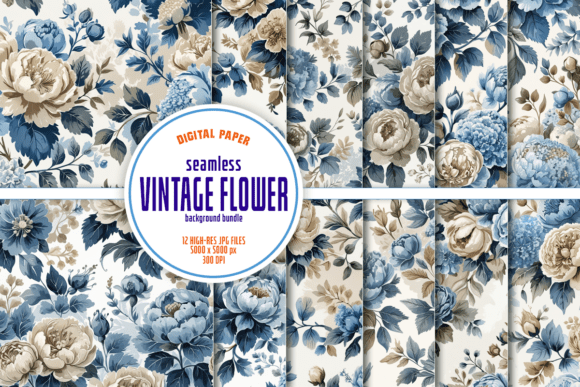
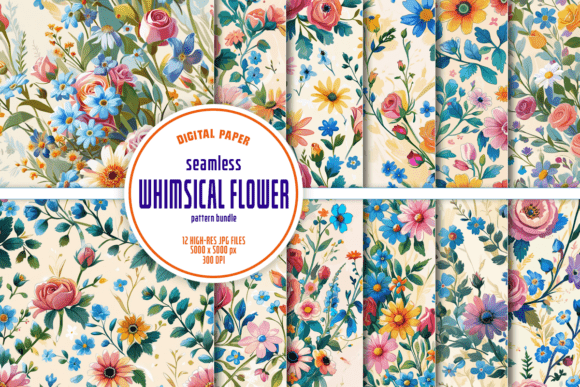
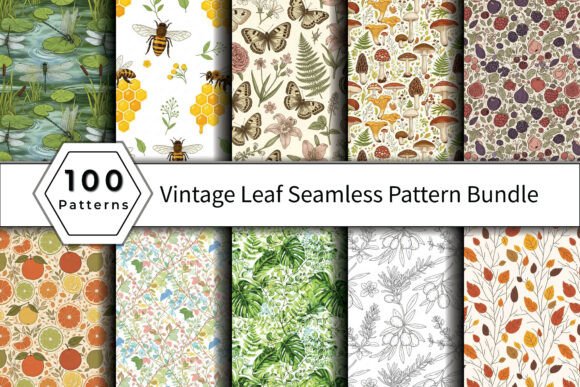
The appeal of this style lies in its versatility. It bridges the gap between scientific precision and artistic expression. When evaluating a collection, such as one featuring 100 unique designs, users are looking for variety within a cohesive theme. This includes different species of foliage, varying densities of arrangement, and diverse color palettes ranging from muted sage greens to earthy browns and faded ochres. The inclusion of floral motifs and natural textures further expands the utility of these assets, allowing for layered compositions that feel rich and detailed.
Technical Specifications and Quality Considerations
When selecting digital papers, technical fidelity is paramount. High-quality collections typically provide files in the JPG format with a resolution of 300 DPI (dots per inch). This specification is critical for users intending to print their designs. A resolution of 300 DPI ensures that the fine lines of the botanical illustrations remain crisp and clear when rendered on physical media, avoiding the pixelation that plagues lower-resolution web images.
The standard dimensions for these assets are often 12 x 12 inches (305 x 305 mm), which translates to 3600 x 3600 pixels at 300 DPI. This square format is particularly advantageous for the scrapbooking community, where 12x12 inch pages are the industry standard. However, the utility extends beyond paper crafts. For digital designers, these dimensions provide a substantial canvas for website backgrounds, social media graphics, and packaging design. It is important to note that these files usually come with no transparent background. While this limits immediate layering capabilities compared to PNG files, it offers a ready-to-use textured base that simulates real paper stock, complete with grain and tonal variations.
Furthermore, the absence of watermarks in premium collections is a significant factor for professional use. Watermarked images restrict composition and require tedious editing to remove, often degrading image quality. Access to clean, high-resolution files allows for immediate integration into workflows, saving time and preserving the integrity of the original artwork.
Practical Applications and Ideal Use Cases
The decision to utilize a Vintage Leaf Seamless Pattern should be driven by the desired atmosphere of the final product. These patterns are a strong fit for projects that aim to evoke nature, heritage, elegance, or tranquility.
- Scrapbooking and Card Making: The 12x12 inch format makes these patterns ideal for backing pages in memory books or creating handmade greeting cards. The vintage aesthetic complements photographs of family gatherings, weddings, and travel logs.
- Packaging Design: Brands focusing on organic, artisanal, or eco-friendly products often leverage botanical patterns to communicate their values. These textures work exceptionally well for wrapping paper, box liners, and label backgrounds.
- Digital Content Creation: Bloggers and social media managers can use these patterns to create consistent visual themes for posts, stories, and website headers. The seamless nature allows for responsive backgrounds that adapt to different screen sizes without losing detail.
- Textile and Surface Design: While the source files are digital, they serve as excellent mockups or direct prints for fabrics, wallpapers, and stationery items.
Evaluating Tradeoffs and Alternatives
While the benefits of vintage botanical patterns are clear, they are not a universal solution for every design challenge. A balanced evaluation requires acknowledging potential limitations. The primary tradeoff is the specific stylistic constraint. The vintage look, characterized by muted tones and intricate details, may clash with brands or projects requiring a bold, ultra-modern, or minimalist aesthetic. In situations where high contrast and vibrant, neon colors are necessary, a vintage leaf pattern may recede too much into the background or fail to provide the necessary visual impact.
Additionally, the lack of a transparent background in JPG files can be a consideration for complex compositing. If a designer needs to overlay the leaves onto a photograph or a colored background without the underlying paper texture showing through, they would need to spend time masking out the background or seek alternative PNG or vector formats. Vector files (SVG or AI) offer infinite scalability and easy color manipulation, which might be preferable for large-format signage or logo design where exact color matching is crucial. However, vectors often lack the authentic textural depth that a 300 DPI raster image provides.
Decision-Making Insights for Selection
To determine if a collection of 100 vintage leaf seamless patterns aligns with your needs, consider the scope and medium of your upcoming projects. If your workflow involves frequent printing or a need for diverse background options that convey a natural, classic feel, investing in a high-resolution bundle is a logical choice. The variety offered in a 100-pattern set ensures longevity, reducing the need to purchase individual assets repeatedly.
Conversely, if your primary output is strictly digital UI design requiring lightweight assets, or if you need to frequently alter the color of individual leaf elements, a vector-based library might be more efficient. Ultimately, the value of a Vintage Leaf Seamless Pattern lies in its ability to instantly elevate a composition with sophistication and organic beauty. By weighing the technical requirements of resolution and format against the aesthetic goals of your project, you can make an informed decision that enhances your creative output.
In conclusion, these patterns serve as a versatile foundation for a wide array of creative endeavors. Whether used to add depth to a digital layout or to bring a tactile feel to printed matter, the combination of botanical accuracy and vintage styling offers a enduring appeal that continues to resonate with audiences and designers alike.